Kitchen and ecology

Herbs

Herbs are small plants with an outsized effect: cooking, fragrance, beneficial insects, and better daily use of the garden.

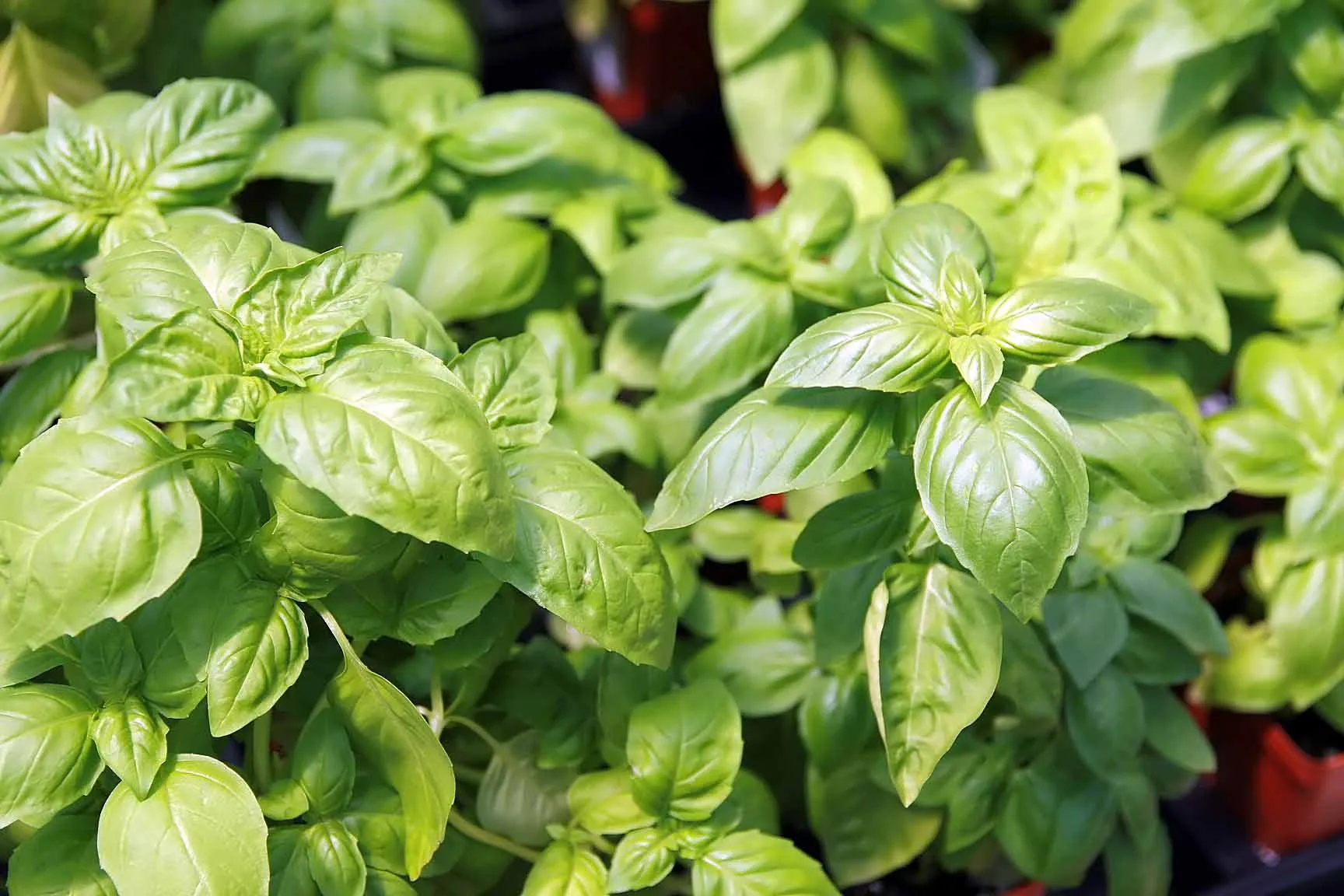
Many herbs also teach timing. Basil wants warmth. Cilantro wants cool weather. Rosemary wants drainage. Mint wants boundaries.
Illustrated garden compost cycle with plants, scraps, compost, and soil.
Useful herb gardens connect kitchen habits, flowers, pollinators, and soil care.

Herb guide index

Herb Season Main care focus
Basil Warm season annual Warmth, regular harvest, and pinching before flowering
Cilantro Cool season annual Succession sowing and shade during warming weather
Dill Cool to warm annual Direct sowing, reseeding, and wind protection
Mint Hardy perennial Containment, moisture, and regular cutting
Parsley Biennial grown mostly as annual Germination patience and steady moisture
Rosemary Tender or hardy perennial Drainage, sun, and winter protection where needed
Sage Perennial Drainage, pruning, and avoiding wet crowns
Thyme Perennial Lean soil, drainage, and light trimming

Let some herbs flower

Herbs are not only kitchen plants. Flowering dill, cilantro, parsley, thyme, mint, basil, and sage can support pollinators, hoverflies, tiny wasps, and other beneficial insects.

Harvest what you need, but consider letting some plants complete their cycle.

Field notes

Record which herbs you actually use. A small planting of a useful herb is more valuable than a large planting that only looks good in June.