Growing Thyme
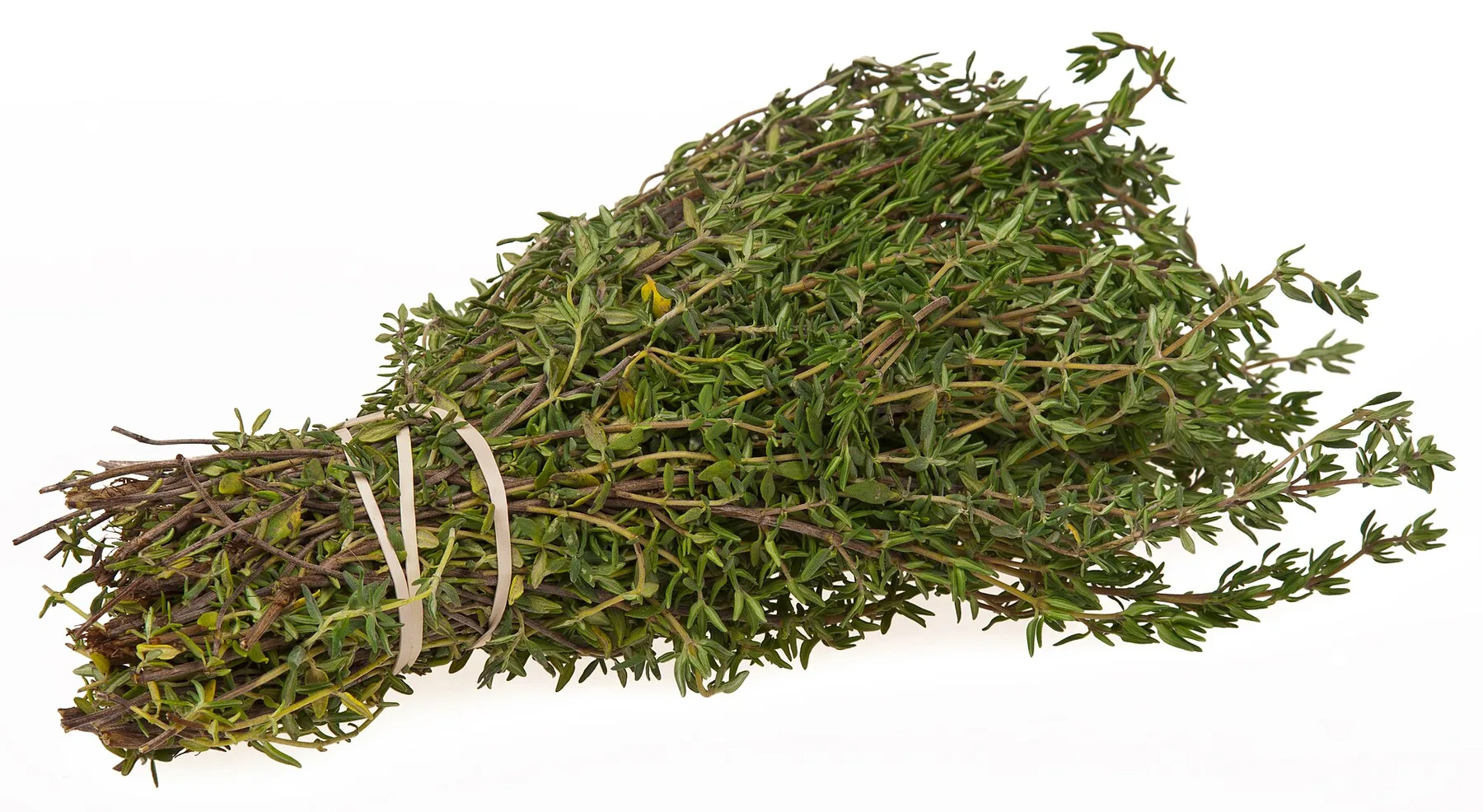
A small plant needs an intentional space
Thyme can disappear in the shade of larger neighbors. Give it a visible edge of the planting where you can reach it, see its growth and avoid trampling it during harvest.
Start with the right habit
Choose a culinary thyme for kitchen use and keep its label: plants sold as thyme have different habits. A sunny, well-drained position suits this perennial herb. Do not group it automatically with thirsty container companions just because all are herbs.
Trim for use and observe regrowth
Harvest small leafy stems as needed. Watch how the plant fills its space and where fresh growth appears. Flowers can be part of the planting; decide whether you are managing primarily for leaves, appearance or insect visits.
Learn from the edge of the bed
Record shade from neighboring crops, winter survival and bare patches. If thyme declines where water lingers, investigate the site before adding more fertilizer. Repeat observations from the same position to distinguish seasonal change from continuing loss.
Sources and next steps
University of Maryland Extension: Thyme supports the growing guidance. Regional timing and cultivar behavior vary; the profile above comes from our curated herb data. Reviewed September 23, 2026.
- Record a thyme observation and include the herb name in your note.
- Compare the herb guides before grouping plants by care needs.
- Understand soil drainage.