Growing Sage
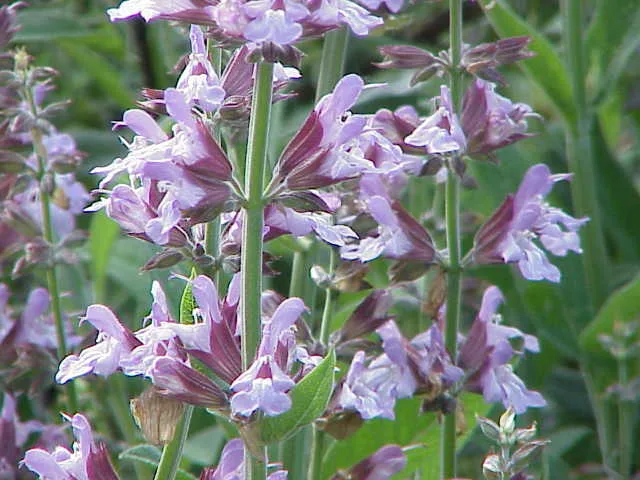
A perennial place in the kitchen garden
Culinary sage belongs in a place you can keep observing across seasons. Think about access for a few leaves at dinner as well as the space the plant occupies when mature.
Choose the plant and site
Use culinary sage, with the plant label retained so that its identity is clear. Favor a sunny position with good drainage. Avoid treating an established woody herb like a fast-growing leafy annual that needs constant feeding and wet soil.
Harvest and renew deliberately
Pick leaves for the meals you make. Watch where new leafy growth forms before deciding how to trim the plant. If the center becomes sparse, record its condition and compare the following season rather than cutting heavily without a reason.
Keep a perennial record
Note winter survival, flowering, harvest frequency and whether the crown remains wet after rain. A recurring problem in the same location is a reason to reassess drainage and placement. The useful result is a healthy, accessible plant, not the largest possible bush.
Sources and next steps
University of Maryland Extension: Sage supports the growing guidance. Regional timing and cultivar behavior vary; the profile above comes from our curated herb data. Reviewed September 23, 2026.
- Record a sage observation and include the herb name in your note.
- Compare the herb guides before grouping plants by care needs.
- Understand soil drainage.