Growing Strawberries
At a glance
| Question | Practical answer |
|---|---|
| Plant type | Low perennial small fruit |
| Light | Full sun for best yield |
| Spacing | Often 12-18 in, depending on system |
| Pollination | Self-fertile but bees improve fruit set |
| Main systems | June-bearing, everbearing, day-neutral |
| Main work | Runner control, mulch, renovation, harvest hygiene |
| Common failure | Letting runners make an overcrowded mat |
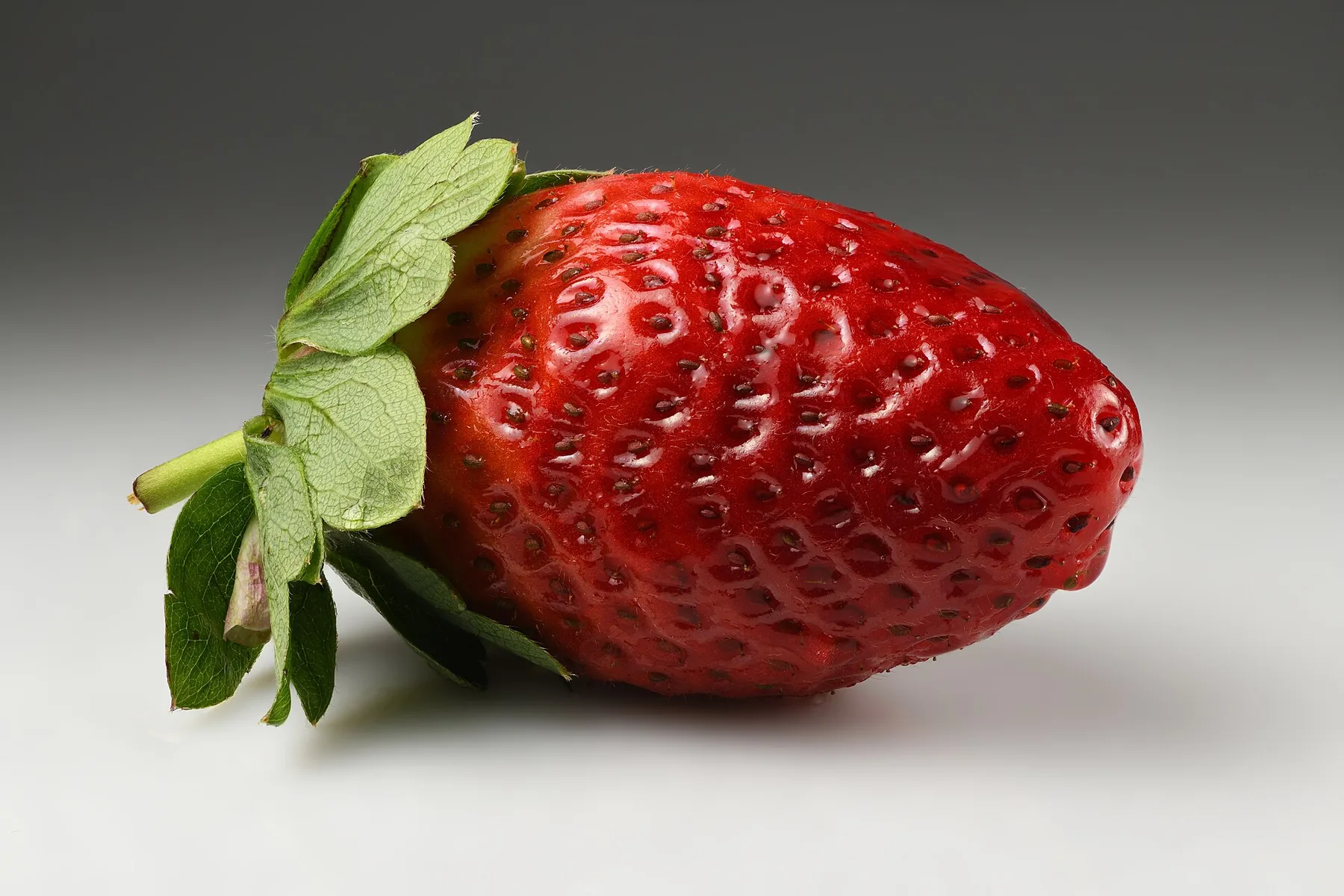
Strawberries are small plants with big management choices. The crop can be grown as a perennial bed, a tidy hill system, a container crop, or an annual rotation.
The right system depends on your space, climate, weed pressure, disease pressure, and how much runner management you are willing to do.
Choose the fruiting type
| Type | Harvest pattern | Best use |
|---|---|---|
| June-bearing | One large early-summer crop | Preserves, freezing, concentrated harvest |
| Everbearing | Two smaller flushes | Fresh eating over a longer window |
| Day-neutral | Repeated fruiting through the season | Containers, small gardens, steady picking |
June-bearing strawberries often produce the largest single-season yield, but the harvest is compressed. Day-neutral plants can be more useful near the kitchen because they produce smaller amounts over a longer period.
Site and soil
Strawberries need full sun, good drainage, and low weed pressure. They sit close to the soil, so splash, mud, slugs, and rot matter.
Avoid low wet sites. Raised beds are often helpful because they improve drainage, warm earlier, and make runner control easier. Do not plant into old weedy sod unless the site has been cleaned up first.
Planting
Plant dormant crowns in spring or potted plants after severe frost risk has passed. The crown must be set correctly: roots in the soil, crown at the surface. Too deep can rot the crown. Too shallow can dry the roots.
Remove early flowers for a short establishment period on new plantings, especially day-neutral and everbearing types. This gives plants time to root before cropping.
Runners and bed systems
Strawberries reproduce by runners. That is useful for filling a bed, but too many daughter plants create crowding, poor airflow, small berries, and difficult harvest.
| System | Pattern | Management |
|---|---|---|
| Matted row | Allows selected runners to root | Productive but needs thinning and renovation |
| Hill system | Removes most runners | Larger plants, easier picking, more orderly beds |
| Container | Limited root space | Needs steady water and regular feeding |
Pick a system and maintain it. A neglected strawberry bed quickly becomes a patch of leaves with fewer clean berries.
Mulch and winter protection
Mulch has two jobs: keep fruit clean during the season and protect crowns in winter. Straw is traditional because it keeps berries off soil and can be pulled over plants for winter protection.
In spring, pull winter mulch back as plants begin to grow, leaving some between rows and around plants for clean fruit.
Renovation
June-bearing beds often need renovation soon after harvest. Renovation narrows rows, removes old leaves, controls weeds, and gives selected daughter plants room to become next year's crop.
Do not wait until fall if the bed is overcrowded after harvest. By late summer, next year's flower buds are already being influenced by plant health.
Harvest
Pick fully colored berries with the cap attached. Harvest in the cool part of the day and handle gently. Remove damaged or moldy fruit from the bed so it does not spread decay.
Strawberries do not store like apples. Plan to eat, freeze, dry, jam, or share them quickly.
Common problems
| Problem | Watch for | First response |
|---|---|---|
| Gray mold | Fuzzy rot on fruit | Improve airflow, remove bad fruit, keep berries off soil |
| Slugs | Chewed low fruit | Reduce hiding places, harvest often, use clean mulch |
| Small berries | Crowding, drought, poor pollination | Thin runners, water steadily, encourage pollinators |
| Weed pressure | Grass and perennial weeds in bed | Renovate or restart in clean soil |
| Winter injury | Dead crowns in spring | Apply winter mulch after plants are dormant |
Field notes
Record type, variety, planting system, flower removal, first harvest, peak harvest, runner decisions, renovation date, winter mulch date, and disease pressure. Strawberry beds are easy to restart, so notes help you decide when renovation is no longer enough.