Growing Bok Choy
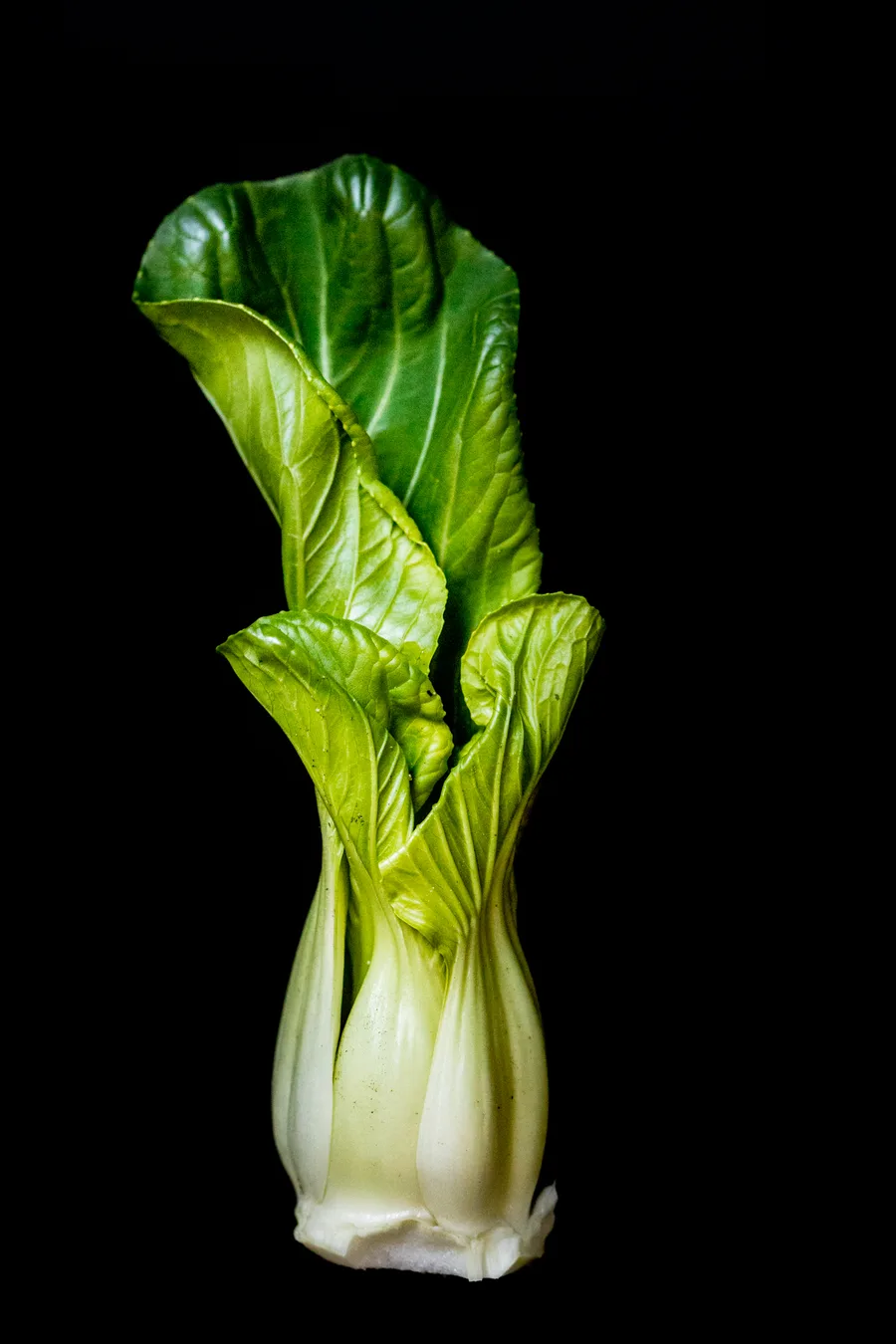
Bok choy grows quickly and works well in spring and fall gardens.
When to plant
Think of bok choy as a crop for a cool-weather meal, not a plant to hold indefinitely. Sow or set out young plants in spring or late summer, and choose a baby or full-size harvest before deciding how much space to allow.
Make room for the crop
Leave room for the leaves and stalks to fill out without trapping every plant against its neighbor. The profile gives a range because a baby plant and a full head occupy different spaces. Mark a few plants for a later harvest and pick the rest young.
Water
Inspect the root zone while the plant is building its leafy head. Keep a note of drying soil and the first sign of stem elongation. Once a flower stalk rises, extra water is not a way to turn the plant back into the head you intended to grow.
Harvest
Pick a baby plant for a small head or leave selected plants to fill out. Check the stalks and leaves while the head is still compact; once the center stretches toward flowering, the harvest you planned is changing.
Common problems
Record the first flower stalk and the weather around it. Inspect small holes separately from yellowing or wilt; these observations may have different causes.
Use the disease-condition checklist to decide what to inspect and which cultural conditions to improve. It does not identify a pathogen from these observations.
Field notes
Heat and long days can trigger bolting. Grow it in cool windows and harvest before it stretches.