Growing Carrots
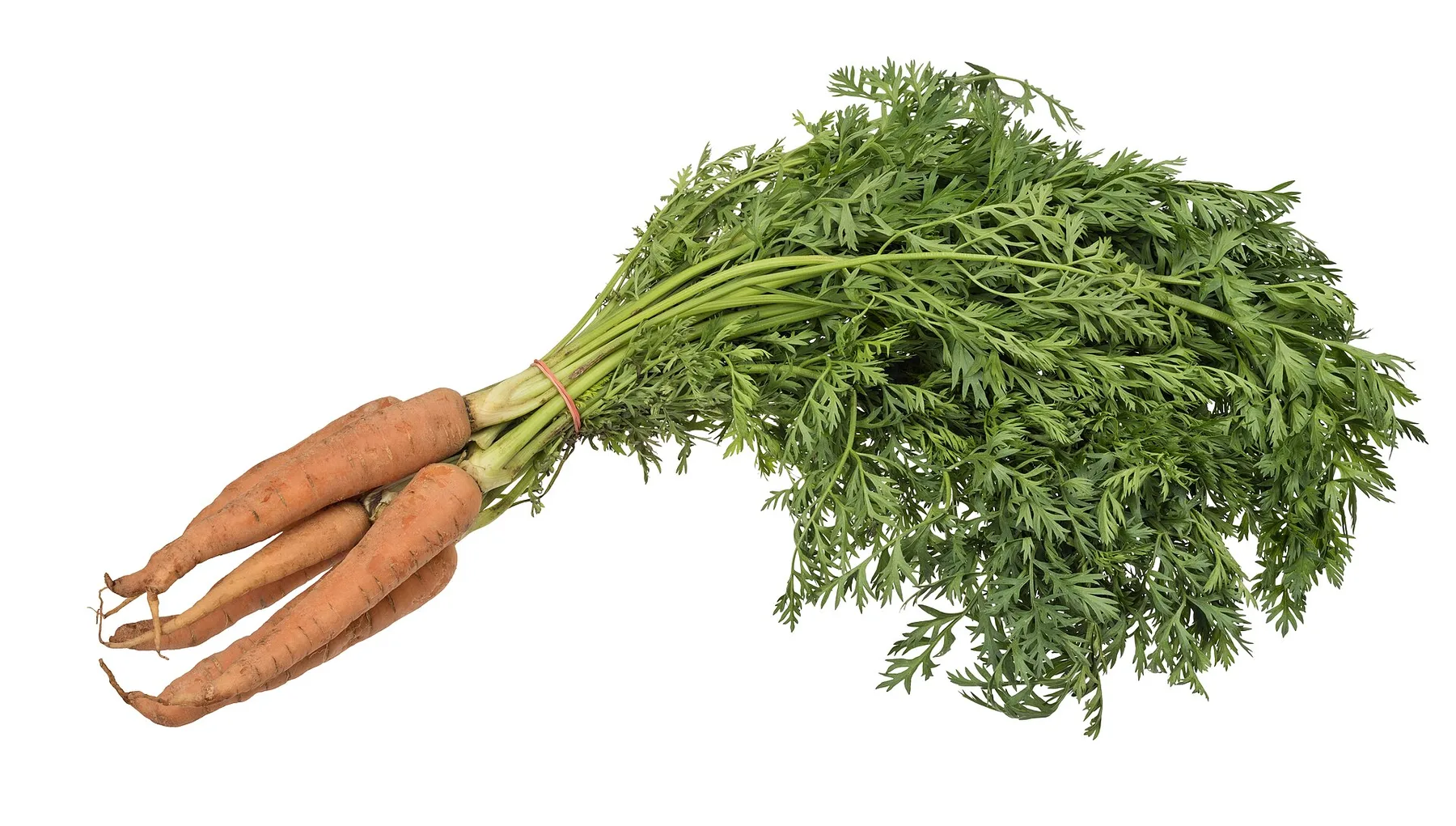
Carrots reward patience and soil preparation.
They are not difficult because they are fragile. They are difficult because the most important work happens before the crop looks like anything: preparing the seedbed, keeping the surface moist, thinning on time, and preventing weeds from taking over.
Soil preparation
Carrots need a seedbed, not a heavily amended trench.
Loose soil helps roots grow straight, but fresh chunky compost, stones, clods, and compacted layers can cause forked or misshapen roots. Shape matters less than flavor, but severely forked roots are harder to harvest and clean.
Prepare the top several inches carefully. Remove stones where practical. Break clods. Avoid adding high-nitrogen fertilizer before sowing; lush tops do not guarantee good roots.
Sowing
Carrot seed is small and slow.
Sow shallowly, cover lightly, and keep the surface consistently moist until germination. This is the critical stage. If the seedbed dries out after seeds begin absorbing water, germination may be poor.
Useful methods:
- water the bed before sowing;
- sow in shallow bands rather than deep furrows;
- cover with a board, burlap, or light row cover temporarily to hold moisture;
- check daily and remove covers as soon as seedlings emerge;
- mark rows with a faster crop such as radishes if helpful.
Germination and thinning
Carrots can take one to three weeks to emerge depending on temperature and moisture.
Thin early. Crowded carrots compete quickly, and late thinning can disturb neighboring roots. If seedlings are very dense, snip extras with scissors instead of pulling every plant.
| Growth stage | Task |
|---|---|
| Before emergence | Keep surface evenly moist |
| First true leaves | Begin careful thinning |
| Young roots forming | Maintain moisture and weed control |
| Roots size up | Harvest selectively to create more space |
Water
Even moisture matters more than heavy watering.
Dry soil slows germination and can produce tough roots. Wild swings between drought and heavy watering can split roots. Mulch lightly after seedlings are established, but do not bury small seedlings.
Weeds
Carrots are poor competitors when young.
A weedy carrot bed can fail even when germination is good. Weed early and gently. Disturb the soil as little as possible around developing roots.
Timing
Carrots prefer cool growing conditions. Spring sowings are common, but fall carrots can be excellent where summers allow midsummer sowing. In many climates, carrots become sweeter after cool weather.
For fall crops, count backward from expected frost and add extra time for slower autumn growth.
Harvest
Harvest can begin when roots reach useful size.
Do not wait only for maximum size. Smaller carrots may have better texture and flavor. In cool weather, mature carrots can often hold in the ground for a period, but protect them from freezing where winters are severe.
Loosen soil before pulling if roots resist. Pulling hard from compacted soil can break tops.
Common problems
| Problem | Likely cause | Response |
|---|---|---|
| Poor germination | Dry seedbed, old seed, crusted soil | Keep surface moist and use fresh seed |
| Forked roots | Stones, clods, compaction, fresh coarse amendments | Prepare bed more carefully |
| Hairy roots | Stress, excess nitrogen, or uneven moisture | Stabilize watering and fertility |
| Small roots | Crowding, shade, drought, or short season | Thin earlier and improve timing |
| Green shoulders | Crowns exposed to sun | Cover shoulders lightly with soil or mulch |
Field notes
Record sowing date, emergence date, weather during germination, thinning date, and harvest quality. Most carrot problems begin before the seedlings are obvious, so notes from the first two weeks matter.