Growing Sour Cherries
At a glance
| Question | Practical answer |
|---|---|
| Plant type | Tree fruit |
| Light | Full sun |
| Soil | Well-drained soil |
| Pollination | Many sour cherries are self-fruitful, but check the variety |
| Main work | Pruning, disease sanitation, bird protection |
| Harvest | Pick when fully colored and flavorful |
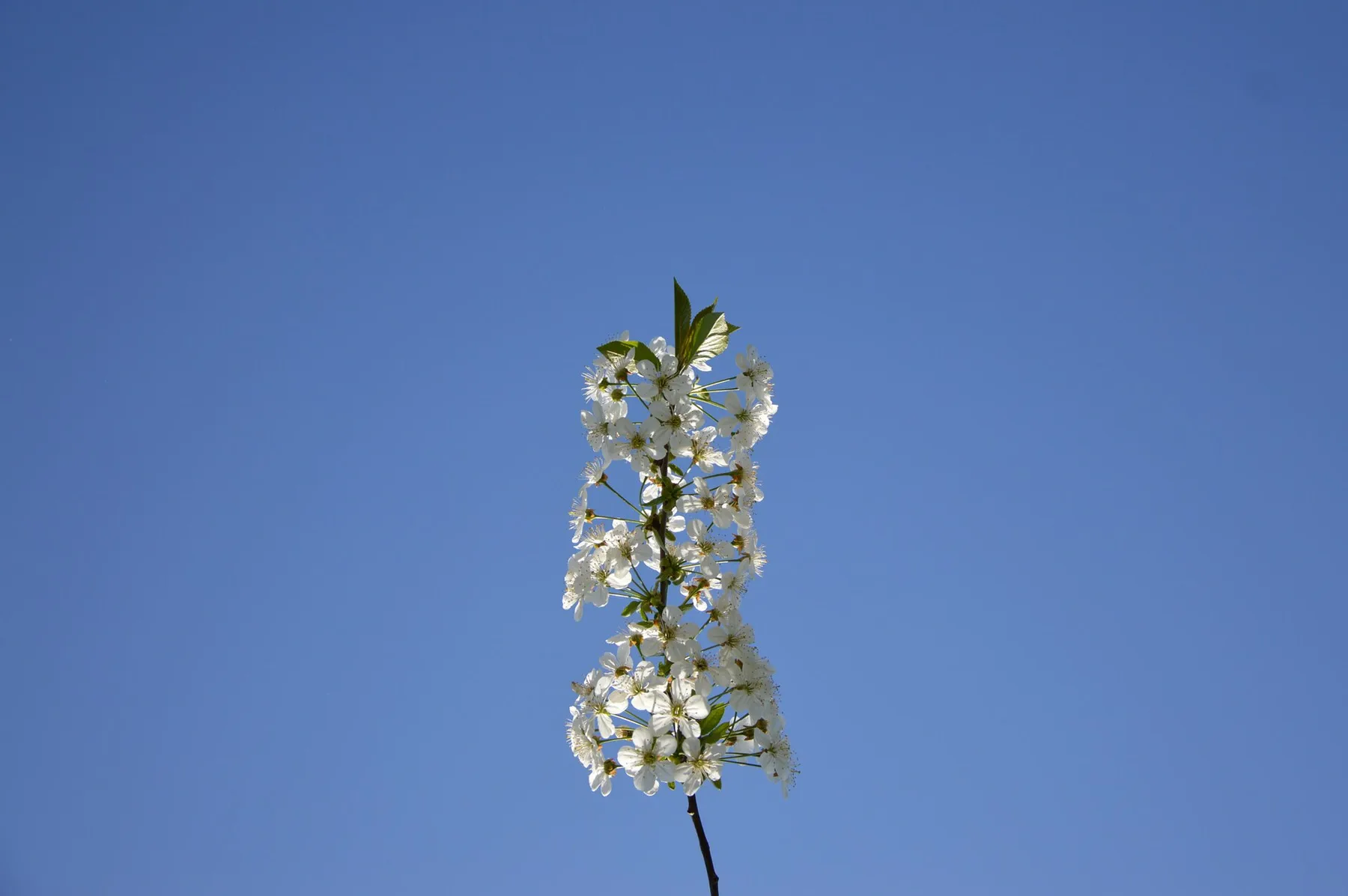
Sour cherries are often better suited to home gardens than sweet cherries. They are generally hardier, more useful in cooking, and many varieties are self-fruitful. They still need sun, pruning, disease awareness, and bird protection.
Think of sour cherries as a compact tree fruit that rewards early training and prompt harvest.
Site and planting
Sour cherries need sun and airflow. Good air movement helps leaves dry after rain, which can reduce disease pressure. Avoid wet low sites and places where spring frost settles.
Plant grafted trees with the graft union above the soil line. Mulch the root zone but keep mulch away from the trunk. Protect young trunks from rabbits, voles, and deer.
Training and pruning
Train a tree that light can enter and you can harvest. Remove narrow crotches, crossing limbs, root suckers, and dead or damaged wood.
Many cherry trees fruit on spurs and short shoots, so pruning should be thoughtful rather than severe. Heavy cuts can push excessive vegetative growth and reduce fruiting wood.
Bloom and crop risk
Cherries bloom early enough that late frosts can reduce a crop. A good site helps, but not every frost can be avoided.
If the tree flowers heavily but sets little fruit, check:
- frost during bloom;
- pollinator activity;
- variety self-fertility;
- wet or cold bloom weather;
- tree age and vigor.
Disease and sanitation
Sour cherries can suffer from leaf spot, brown rot, cankers, and other issues depending on region. Cultural care matters: open canopy, sanitation, and avoiding unnecessary wounds during wet weather all help.
Remove mummified fruit and fallen diseased fruit. Keep the canopy open enough that leaves and fruit dry.
Bird protection
Birds are often the main harvest competitor. Netting is the most reliable small-scale method, but it must be installed before fruit is ripe and managed carefully so birds do not become trapped.
Shorter trees are easier to net, prune, and harvest. That is another reason to train structure early.
Harvest and use
Pick sour cherries when fully colored and flavorful. They are excellent for pies, sauces, preserves, drying, freezing, and fermentation projects.
Harvest into shallow containers and cool fruit promptly. Remove damaged fruit from the tree and ground.
Common problems
| Problem | Watch for | First response |
|---|---|---|
| Birds | Missing ripe fruit | Net before color peaks |
| Brown rot | Rotten fruit or mummies | Remove infected fruit, improve airflow |
| Leaf spot | Spotted leaves, early defoliation | Sanitation and resistant varieties where possible |
| Poor crop | Bloom without fruit | Check frost, pollination, and tree age |
Field notes
Record bloom date, frost events, pollinator activity, first ripe fruit, bird pressure, disease symptoms, pruning date, and harvest use. Sour cherry notes help you distinguish climate losses from management problems.