Growing Ground Cherries
At a glance
| Question | Practical answer |
|---|---|
| Plant type | Warm-season annual fruiting crop |
| Family | Nightshade |
| Light | Full sun |
| Start | Indoors like tomatoes, then transplant after frost |
| Spacing | Give room; plants can sprawl 2-3 ft or more |
| Harvest | Pick ripe fruit from the ground or when husks dry and fruit drops |
| Common failure | Harvesting too early or letting plants overrun paths |
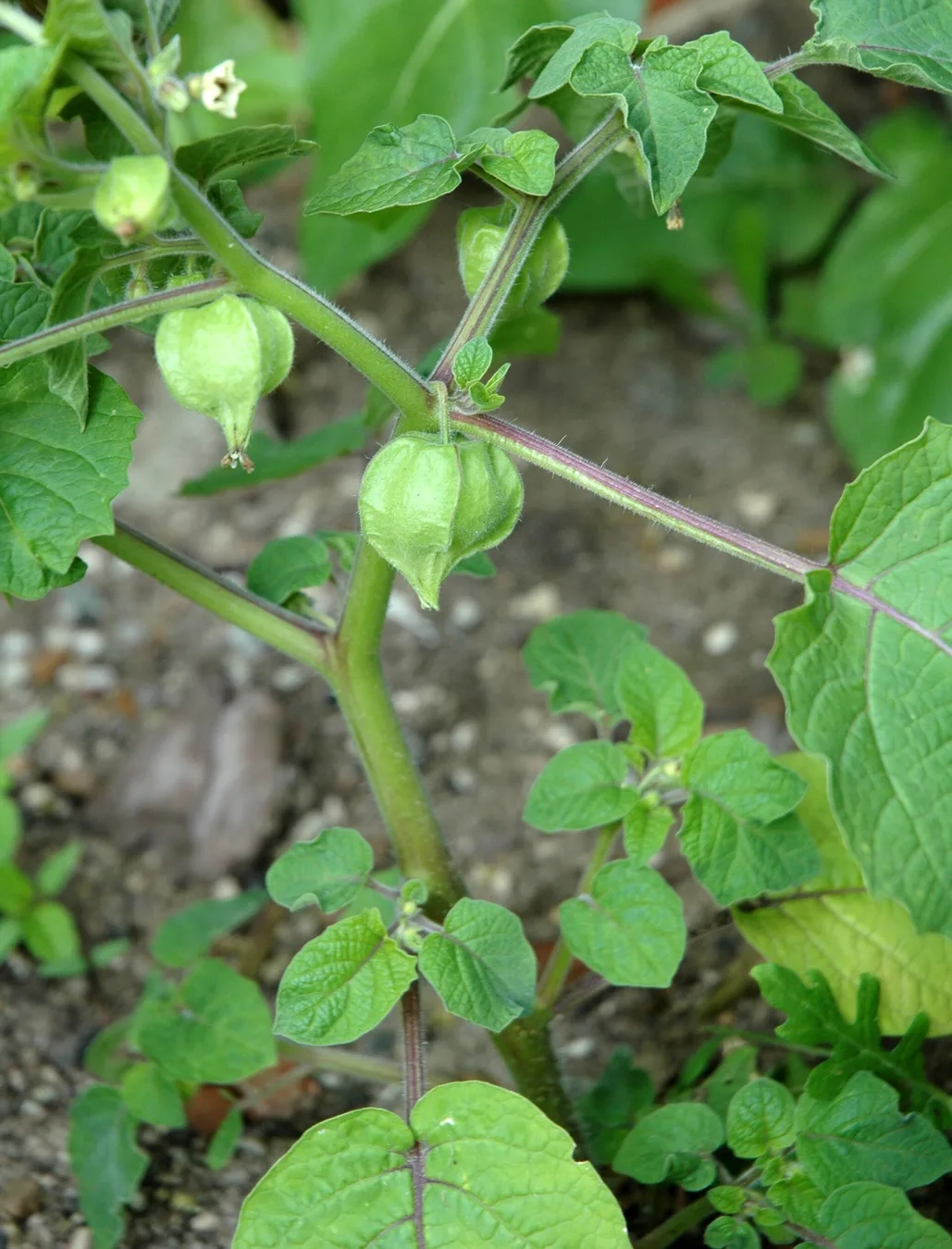
Ground cherries are annual fruiting nightshades grown much like a relaxed tomato, but harvested from papery husks after the fruit drops. They are sweet, tropical, and slightly tart when fully ripe.
The crop is easy to love and easy to underestimate. Plants can sprawl, fruit hides under foliage, and volunteers may appear the following year wherever ripe fruit fell.
Timing
Start ground cherries indoors several weeks before the last frost, using the same warm-season logic as tomatoes and peppers. Transplant only after frost risk is low and soil has warmed.
Cold soil stalls the crop. A healthy transplant into warm conditions is better than an early stressed plant.
Site and soil
Plant in full sun with well-drained soil. Ground cherries are not as demanding as tomatoes, but they still respond to compost, mulch, and steady moisture.
Do not overfertilize. Excess nitrogen can produce a leafy sprawl with delayed fruiting.
Spacing and support
Ground cherries can sprawl widely. In a small garden, use a tomato cage, low support, or wide spacing to keep fruit accessible and paths clear.
Mulch is useful because ripe fruit often falls to the ground. Clean mulch makes harvest easier and keeps husks out of mud.
Harvest
The fruit is usually ripe when it falls and the husk turns papery tan. Green fruit can be unpleasant and should not be treated as ripe simply because it has reached size.
Harvest fallen fruit regularly. Let fruit cure in its husk for a short period if flavor is still developing. Discard moldy or damaged fruit.
Volunteers
Ground cherries self-sow readily where fruit is missed. Volunteers can be useful, but they can also become weeds in a carefully planned bed.
If you do not want volunteers:
- harvest thoroughly;
- remove dropped fruit at season end;
- rotate the bed;
- hoe seedlings early next year.
Common problems
| Problem | Watch for | First response |
|---|---|---|
| Flea beetles | Tiny holes in young leaves | Protect seedlings; keep plants growing strongly |
| Sprawl | Hidden fruit, blocked paths | Cage, mulch, and give more space |
| Unripe harvest | Green or harsh-tasting fruit | Wait for husks to dry and fruit to drop |
| Volunteers | Seedlings next season | Remove early or transplant intentionally |
Field notes
Record start date, transplant date, first drop, flavor at different ripeness stages, plant spread, pest pressure, and volunteer behavior. Ground cherries are a good crop for learning how harvest habit affects garden layout.