Growing Tomatoes
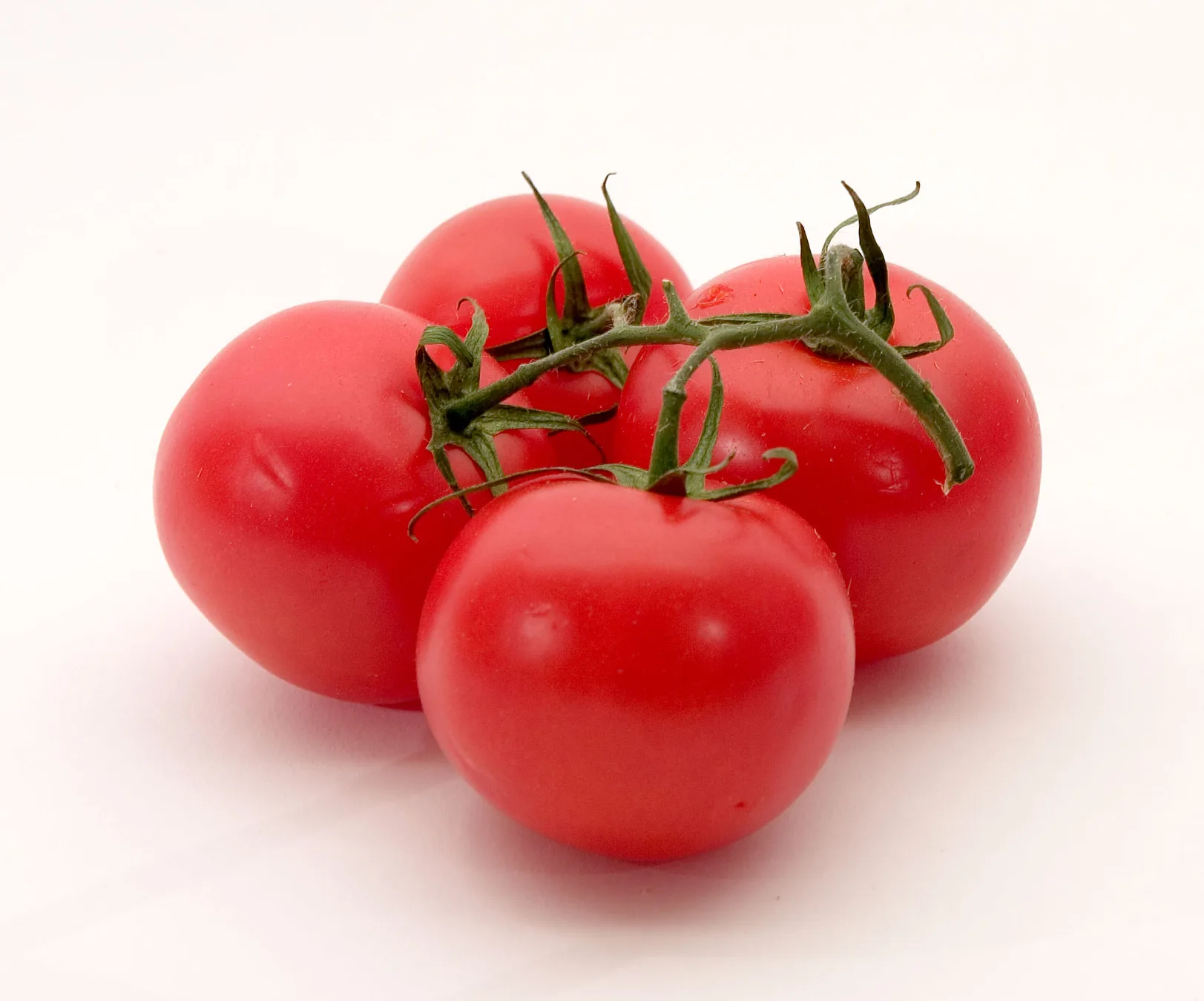
Tomatoes make the garden feel abundant, but they are not carefree plants.
They reveal problems quickly: cold soil, inconsistent watering, poor airflow, weak support, overfertility, foliar disease, and neglected harvest all show up in the plant. A good tomato season is rarely the result of one trick. It is the result of timing, structure, water, and observation working together.
Timing
Tomatoes should not be rushed into cold soil.
A transplant set out too early may survive but stall. Roots grow slowly in cold soil, and a stalled plant is more vulnerable to wind, disease, and nutrient stress. A later transplant placed into warm soil can catch up quickly.
Use frost dates as a guide, but also observe:
- nighttime temperatures;
- soil warmth;
- wind exposure;
- transplant size;
- forecast cold snaps;
- whether you can protect the plants if weather changes.
Transplants
A sturdy transplant is better than an oversized transplant.
Look for a compact plant with a strong stem, healthy leaves, and no flowers or fruit if possible. A plant already flowering in a small pot may be stressed. It can still grow, but the goal after transplanting is root establishment, not immediate fruiting.
Harden plants off gradually. Sun, wind, and cool nights are different from indoor light and still air.
Soil and fertility
Tomatoes need fertile soil, but too much fertility can work against the harvest.
Excess nitrogen encourages leafy growth. A huge plant is not automatically a productive plant. Compost is useful, but it should be part of a soil-building practice rather than a pile of fertility added at random.
Good tomato soil should:
- drain well;
- hold steady moisture;
- contain organic matter;
- allow deep rooting;
- avoid repeated nightshade disease pressure.
If tomatoes have struggled in the same bed for several years, rotate them elsewhere if possible.
Support
Support tomatoes before they need support.
Install cages, stakes, trellises, or string systems at planting time. Waiting until plants lean or collapse damages stems and makes pruning harder.
| Support method | Best for | Tradeoff |
|---|---|---|
| Cage | Determinate or lightly pruned plants | Needs strong cages and storage space |
| Stake | Pruned indeterminate plants | Requires regular tying and pruning |
| Florida weave | Rows of tomatoes | Efficient but needs posts and maintenance |
| Trellis/string | Greenhouse or intensive beds | Productive but more management-intensive |
The right system is the one you will maintain.
Pruning and airflow
Pruning is not a moral position. It is a management tool.
Remove lower leaves that touch the soil. Improve airflow where foliage is dense. Keep paths and harvest access open. Indeterminate tomatoes can be pruned more heavily than determinate tomatoes, which set much of their crop in a shorter window.
Avoid stripping plants excessively in hot climates where fruit can sunscald.
Water
Moisture swings cause stress.
Deep, consistent watering is better than frequent shallow watering. Mulch helps reduce evaporation and soil splash. Drip irrigation or soaker hoses are useful because they keep foliage drier than overhead watering.
Blossom-end rot is often associated with calcium movement inside the plant, but the practical trigger is frequently inconsistent moisture. Adding calcium without fixing watering rarely solves the pattern.
Common problems
| Problem | Watch for | First response |
|---|---|---|
| Early blight and leaf spots | Lower leaves yellowing or spotting | Remove affected lower leaves, improve airflow, mulch |
| Blossom-end rot | Dark sunken fruit ends | Stabilize watering; avoid overfertilizing |
| Hornworms | Missing foliage and dark droppings | Hand-pick; look for parasitized worms before removing |
| Cracking | Split fruit after rain or irrigation swings | Harvest promptly and keep moisture steadier |
| Poor fruit set | Flowers drop in heat or cold | Wait for better temperatures; avoid excess nitrogen |
Harvest
Harvest tomatoes when quality is high.
Fully ripe fruit is excellent, but fruit can also be picked at the breaker stage when color first begins to change. This can reduce cracking, pest damage, and losses before storms. Let fruit finish ripening indoors at room temperature.
Do not refrigerate tomatoes unless they are already cut or in danger of spoiling.
Field notes
Record transplant date, first flower, first ripe fruit, support method, pruning style, and disease timing. At the end of the season, note whether the plant was productive or merely large. The best tomato plant is supported, ventilated, and kept from wild swings in moisture.