Growing Apples
At a glance
| Question | Practical answer |
|---|---|
| Plant type | Grafted tree fruit |
| Light | Full sun; at least 8 hours is a good target |
| Soil | Well-drained soil; avoid standing water |
| Pollination | Usually needs pollen from a different apple or crabapple variety |
| Bearing age | Dwarf trees often bear sooner; standard trees take longer |
| Main work | Training, pruning, thinning, pest monitoring, harvest timing |
| Common failure | Planting one tree without pollination, letting the canopy become unmanageable |
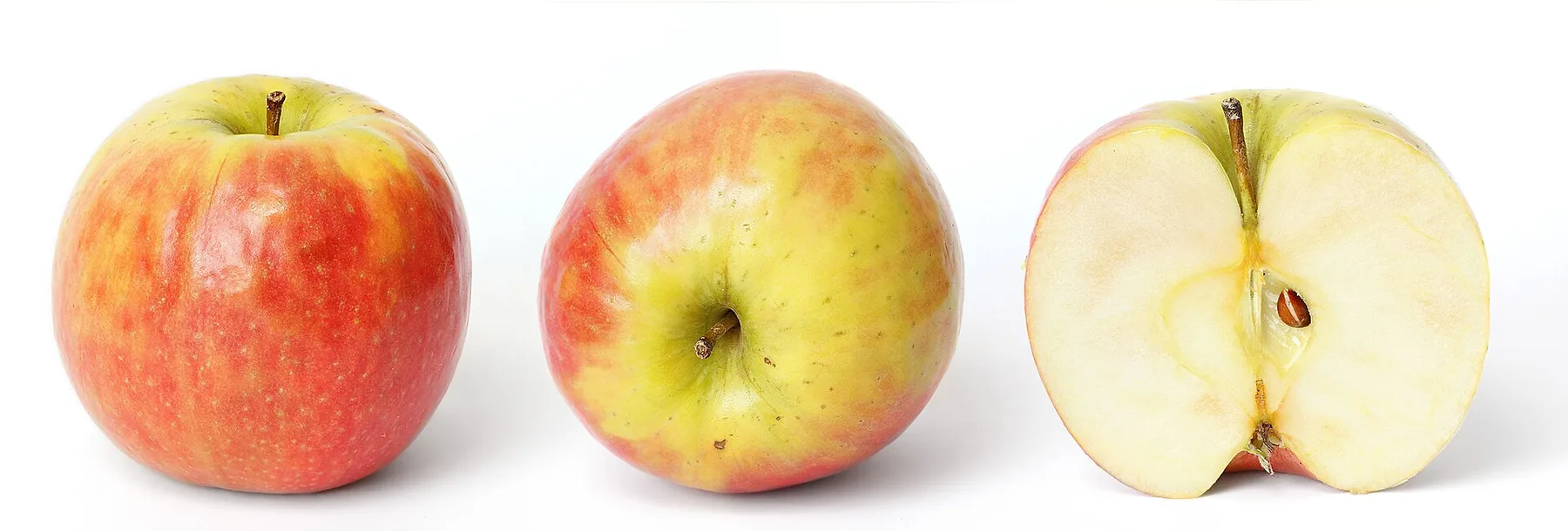
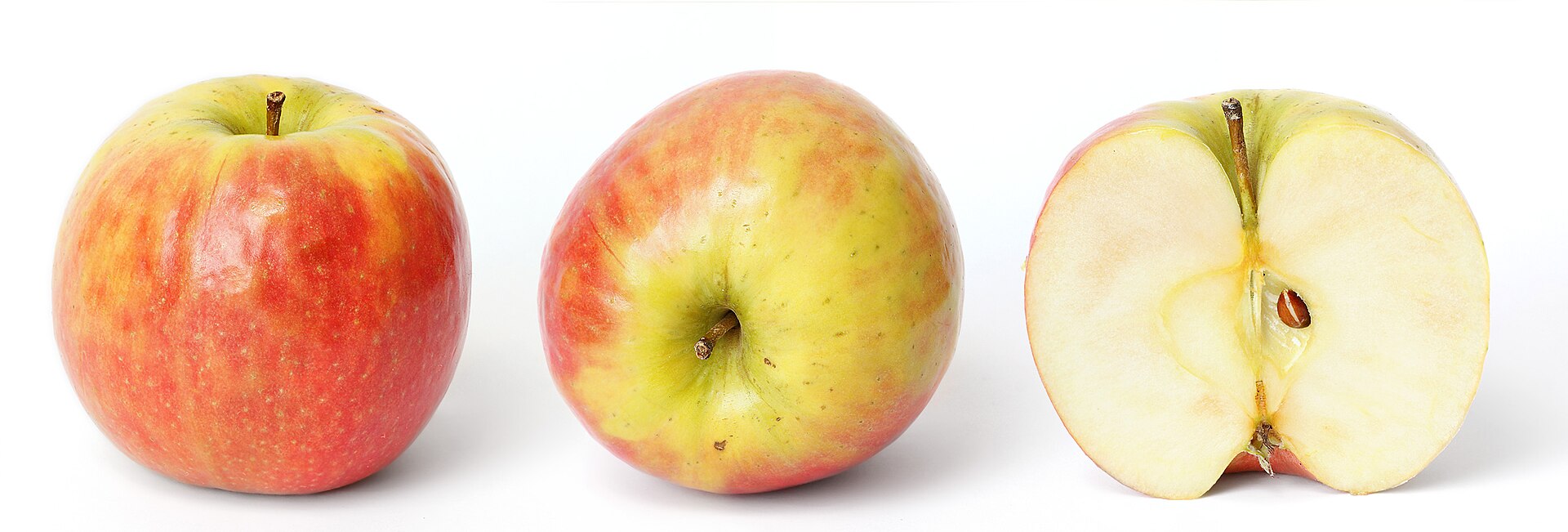
An apple tree is not just a fruit machine. It is a grafted, trained, pruned, pollinated, thinned, and observed perennial crop.
The best backyard apple plantings start with restraint. Choose the right rootstock, plant more than one compatible variety, give the tree full sun, and keep the canopy small enough that you can prune, thin, inspect, and harvest it without heroic equipment.
Choose rootstock before variety
The label on an apple tree usually names the fruit variety, but the rootstock determines mature size, anchorage, precocity, and much of the management burden.
A full-size tree can be beautiful, but it may be too large for a home garden. Dwarf and semi-dwarf trees are easier to prune, thin, spray if needed, net, and harvest. Some dwarfing rootstocks require permanent staking, so small does not mean no support.
| Rootstock type | Best use | Tradeoff |
|---|---|---|
| Dwarf | Small gardens, easier harvest, earlier fruit | May need staking and careful watering |
| Semi-dwarf | Home orchard scale, manageable canopy | Still needs annual pruning and room |
| Standard | Large sites, long-lived tree structure | Slow to bear and difficult to manage from the ground |
Pollination
Most apples need pollen from a different compatible apple variety. A nearby crabapple can sometimes serve as the pollen source if bloom overlaps.
Before planting, decide whether there is a pollen source nearby. If not, plant two compatible trees or choose a multi-grafted tree from a reputable nursery. Bloom time matters more than wishful thinking: two varieties must flower at the same time for bees to move useful pollen.
Site and soil
Apple trees need sun and air. Shade reduces fruit quality and increases disease pressure by keeping leaves wet longer. Low frost pockets can damage blossoms. Wet soil damages roots.
Choose a site with:
- full sun;
- good air movement;
- no standing water after rain;
- access to water during establishment;
- enough room for mature size;
- winter protection from deer and rodents where needed.
Do not bury the graft union. Keep it above the soil line so the fruiting variety does not root and defeat the purpose of the rootstock.
Planting and establishment
Plant bare-root trees while dormant and potted trees after the worst frost risk has passed. Dig a hole about twice as wide as the roots or root ball and no deeper than needed. Spread bare roots naturally. Correct circling roots on container trees.
Water deeply after planting. Mulch the root zone, but keep mulch away from the trunk. Remove competing grass because turf is a strong competitor for young fruit trees.
In the first year or two, remove fruitlets so the tree builds roots and structure. It is hard to sacrifice early fruit, but a stronger tree is the real crop.
Training and pruning
Prune annually while dormant. The aim is not to make the tree look tidy; the aim is to build a canopy that catches light, dries quickly, supports fruit, and remains reachable.
Remove:
- dead, damaged, or diseased wood;
- vertical water sprouts;
- root suckers;
- inward-growing or crossing limbs;
- narrow crotches that will split under fruit weight;
- competing central leaders if the tree is trained to one leader.
Young trees need training cuts. Mature trees need maintenance and renewal. Neglected apple trees should be restored gradually rather than cut back brutally in one season.
Thinning fruit
Apple trees often set more fruit than they can size well. Thin clusters in early summer after natural fruit drop. Leave the strongest fruit and remove small, damaged, or crowded fruitlets.
Thinning improves fruit size, reduces limb breakage, and can reduce biennial bearing, where a tree crops heavily one year and lightly the next.
Pests and diseases
Apples have real pest and disease pressure. The goal for a home garden is not sterile fruit; it is a tree you can monitor and a harvest you can use.
| Issue | Watch for | Cultural response |
|---|---|---|
| Apple scab | Leaf and fruit lesions | Choose resistant varieties, rake leaves, open canopy |
| Fire blight | Blackened shoots, shepherd's-crook tips | Prune infected wood in dry weather; avoid excess nitrogen |
| Codling moth | Wormy fruit | Sanitation, monitoring, timely organic controls if needed |
| Apple maggot | Dimpled or tunneled fruit | Pick up drops, monitor, bag fruit where practical |
| Deer and voles | Bark damage, browsing | Tree guards, fencing, winter inspection |
Harvest and storage
Color alone is not enough. Taste fruit, check seed color, and learn the ripening window for the variety. Some apples are best fresh. Others improve in storage.
Handle fruit gently. Bruises shorten storage life. Store only sound fruit, and keep damaged fruit for sauce, cider, drying, or immediate eating.
Field notes
Record rootstock, variety, bloom time, nearby pollinizers, pruning decisions, thinning date, pest timing, harvest date, flavor, storage life, and winter injury. Apple records become more valuable as the tree matures.