Growing Lettuce
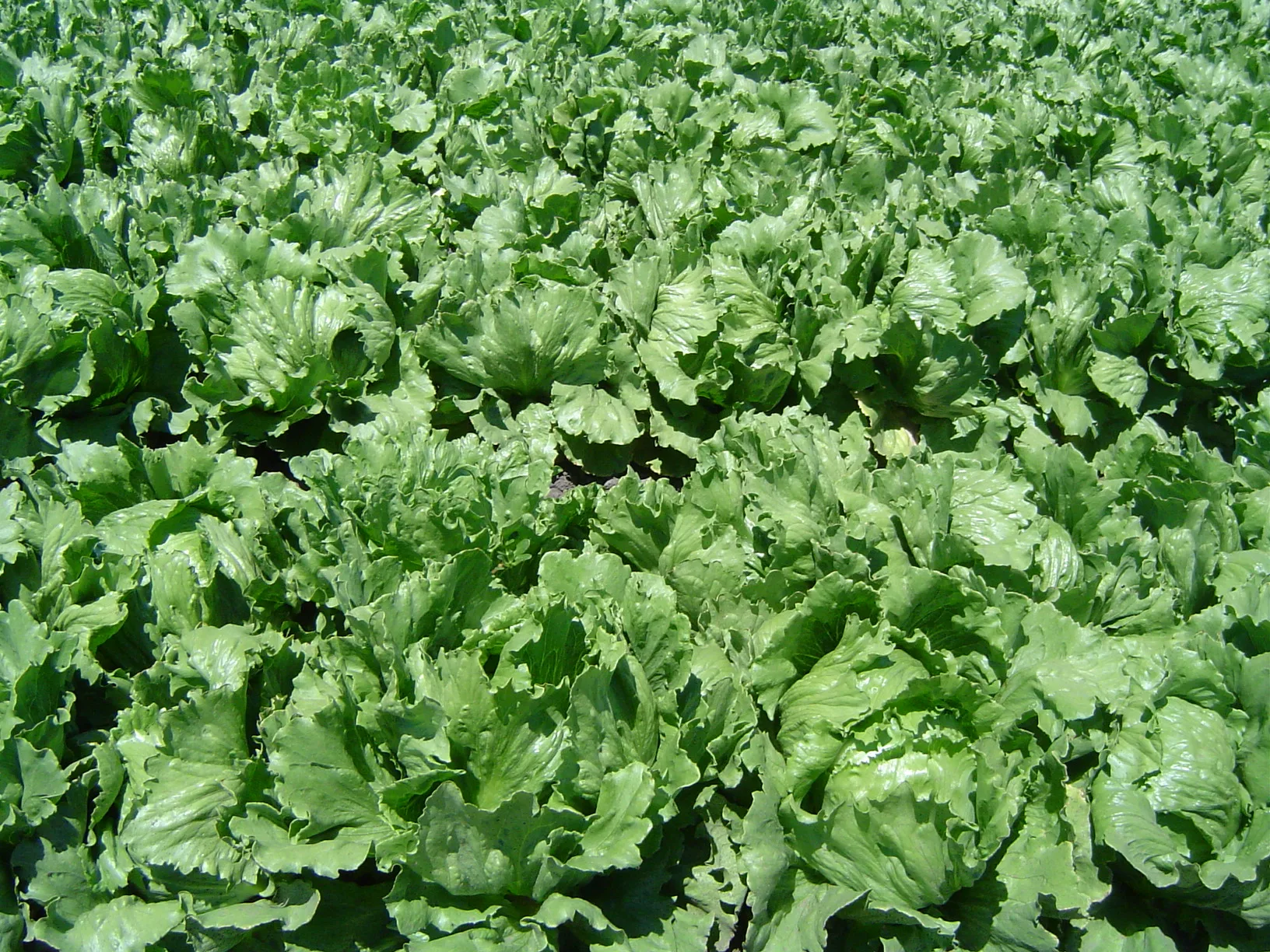
Lettuce is a cool-season crop that rewards succession planting. It is easy to grow until heat arrives.
When to plant
Choose a head harvest or repeated leaf picking, then sow a manageable amount. Spring and late-summer plantings suit the cool-season pattern; several small batches make it easier to compare quality than one large bed that matures at once.
Make room for the crop
Allow space according to the harvest stage. Close young plants can be picked early, while a full head needs room to form. Mark a few plants to keep and remove neighboring ones for the kitchen rather than letting the entire bed remain crowded.
Water
Check small seedlings at the soil surface and established plants around their roots. Track leaf quality as conditions warm. If a planting is stretching into a flower stalk, record its sowing date and plan the next batch rather than assuming more fertilizer will prolong it.
Harvest
Pick while leaves remain tender. Harvest reference: University of Minnesota Extension.
Use the maturity estimate to schedule a first inspection. Let the plant’s condition and the harvest you want decide the picking date.
Common problems
Compare midday wilt with the same plants later in the day. Record root-zone moisture and stem elongation separately from leaf spots.
Use the disease-condition checklist to decide what to inspect and which cultural conditions to improve. It does not identify a pathogen from these observations.
Field notes
Small repeated sowings are better than one dramatic planting. Shade and water can extend the season, but lettuce has limits.