Growing Kale
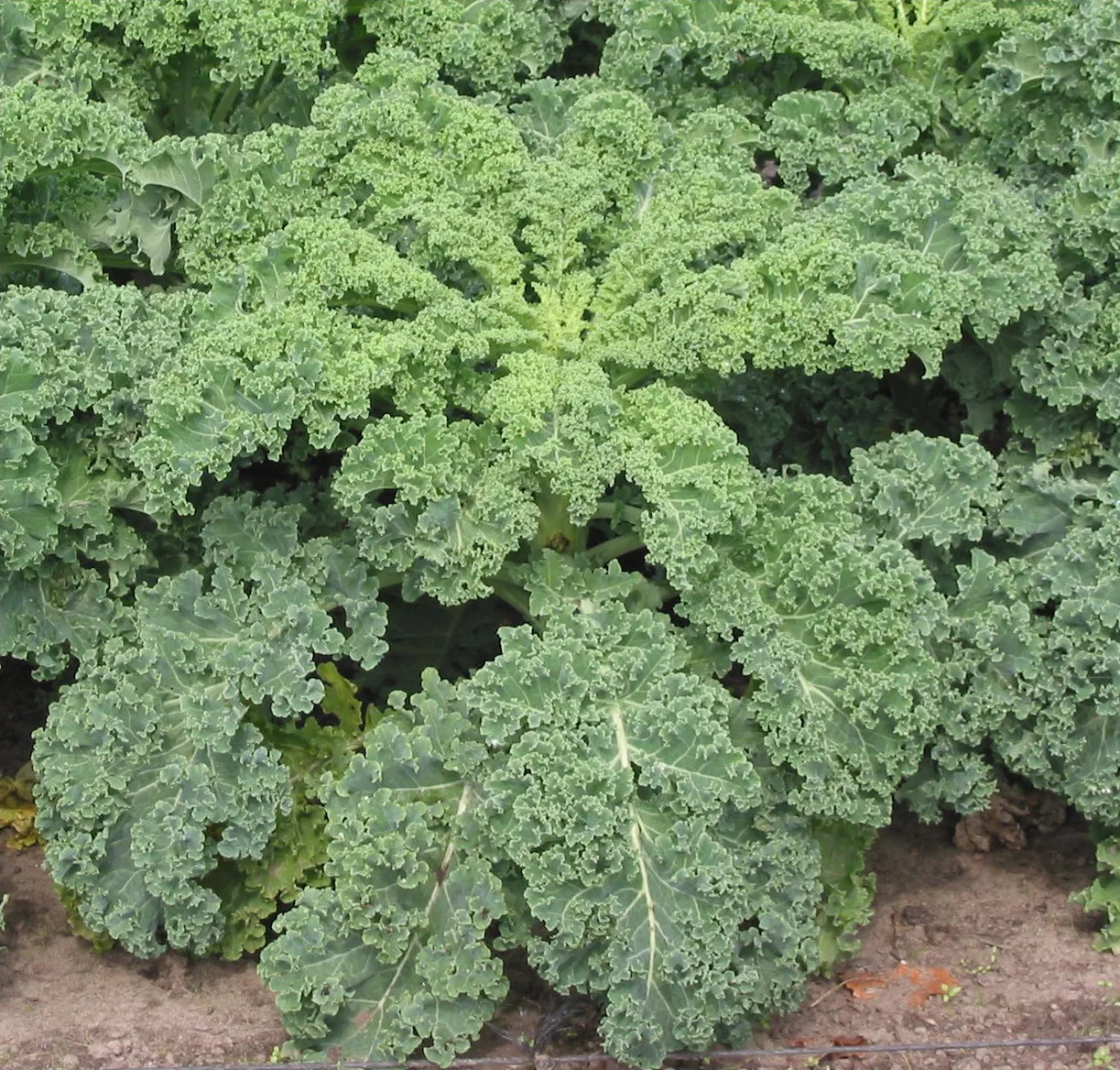
Kale is durable, useful, and often sweeter after cold weather.
When to plant
Choose between a spring planting and a late-summer planting for cool-weather picking. Direct sow or transplant young plants, then leave space for repeated visits: a kale plant is often harvested many times rather than cleared in one meal.
Make room for the crop
Plan for an expanding plant and access to its lower leaves. Baby-leaf picking uses space differently from keeping full plants, so match your spacing to your intended harvest. If brassicas struggled here previously, consult the bed history before reusing the space.
Water
Check soil moisture and the growing center when outer leaves look tired. Inspect leaf undersides while picking. Recording which leaves were affected helps distinguish a whole-plant problem from damage limited to an older part of the crop.
Harvest
Pick sound outer leaves while preserving the growing center. Compare the size and tenderness you prefer for salads with the leaves you use for cooking; there is no need to wait for every leaf to reach its maximum size.
Common problems
Check leaf undersides and the growing center. Record holes, insects actually seen and the amount of usable foliage left before deciding whether action is needed.
Use the disease-condition checklist to decide what to inspect and which cultural conditions to improve. It does not identify a pathogen from these observations.
Field notes
Protect young plants from flea beetles and cabbage worms. Mature plants are much tougher than seedlings.