Growing Plums
At a glance
| Question | Practical answer |
|---|---|
| Plant type | Grafted tree fruit |
| Light | Full sun |
| Soil | Well-drained soil; avoid wet roots |
| Pollination | Many plums need a compatible second variety |
| Main work | Pruning, thinning, disease sanitation, wildlife protection |
| Common problem | Brown rot, plum curculio, birds, and overloaded branches |
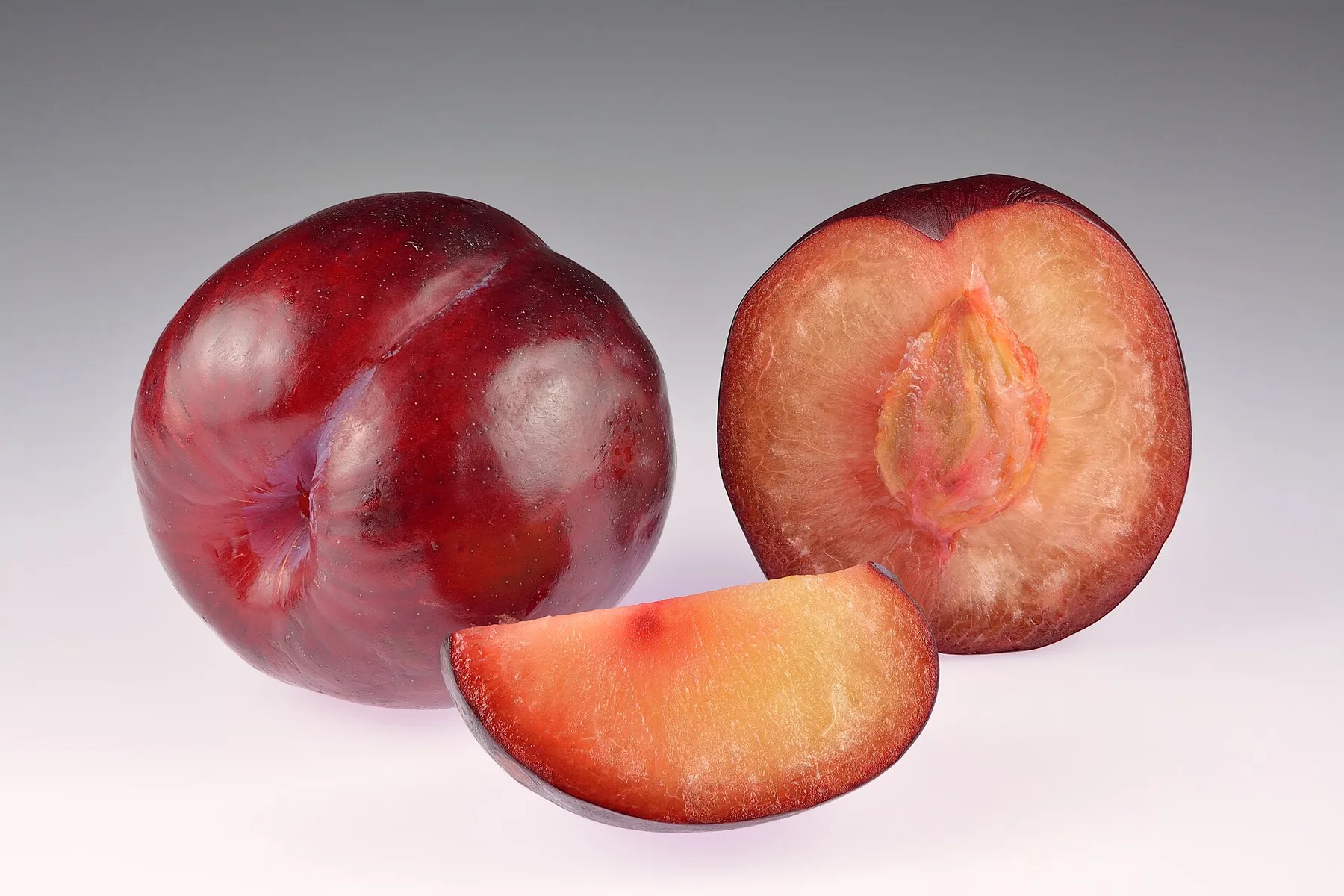
Plums are rewarding because they can be generous, beautiful, and compact enough for many home gardens. They are also prone to overbearing, wildlife pressure, and fruit rots if the canopy is crowded.
Success comes from matching the plum type to your region, planning pollination, keeping the canopy open, thinning fruit, and harvesting before insects, birds, and disease take the crop.
Types and pollination
European, Japanese, hybrid, and native plum types differ in hardiness, bloom time, fruit quality, and pollination needs. Do not assume any two plums will pollinate each other. Some groups need compatible partners from the same or related type, while some European plums are more self-fruitful.
Before planting, confirm:
- cold hardiness;
- bloom time;
- pollination partner;
- mature tree size;
- local disease pressure;
- harvest season.
Site and planting
Plant in full sun with good air movement. Plums bloom early, so avoid low frost pockets if possible. Soil should drain well; saturated roots weaken trees.
Mulch young trees, keep grass away from the root zone, and protect trunks from rodents and deer. Water during establishment and dry spells, especially while fruit is sizing.
Pruning
Prune to create light and airflow. Many plums perform well with an open center or modified central leader, depending on type and local practice.
Remove dead, damaged, crossing, inward-growing, and overly upright growth. Keep the tree low enough to manage from the ground or with a small ladder.
Stone fruit pruning is often timed more carefully than apple pruning in some regions because disease risk can be higher in wet weather. Follow local extension guidance for pruning season.
Thinning fruit
Plums can set too much fruit. If clusters are crowded, thin them while small. Thinning improves fruit size, reduces limb breakage, and helps the tree avoid exhaustion.
Do not wait until branches bend under the crop. By then, fruit size and branch structure are already at risk.
Pests, disease, and sanitation
Brown rot and insect-damaged fruit often reinforce each other. Damaged fruit rots, rotting fruit spreads spores, and fallen fruit supports pest cycles.
| Issue | Watch for | Cultural response |
|---|---|---|
| Brown rot | Rotting fruit, mummified fruit | Remove mummies and drops; open canopy |
| Plum curculio | Crescent scars, dropped fruit | Sanitation, monitoring, timely controls |
| Black knot | Hard black swellings on branches | Prune out infected wood |
| Birds and wildlife | Missing or pecked fruit | Net small trees or harvest promptly |
Harvest
Plums change quickly near ripeness. Harvest when fruit has good color, gives slightly, and tastes developed. Some varieties ripen unevenly, so pick in several passes.
Use soft fruit quickly. Plums can be eaten fresh, dried, cooked, frozen, or made into preserves.
Field notes
Record plum type, pollinizer, bloom date, frost events, thinning date, first ripe fruit, brown rot timing, wildlife pressure, and pruning response. Plums are generous when the canopy and crop load stay balanced.