Growing Peppers
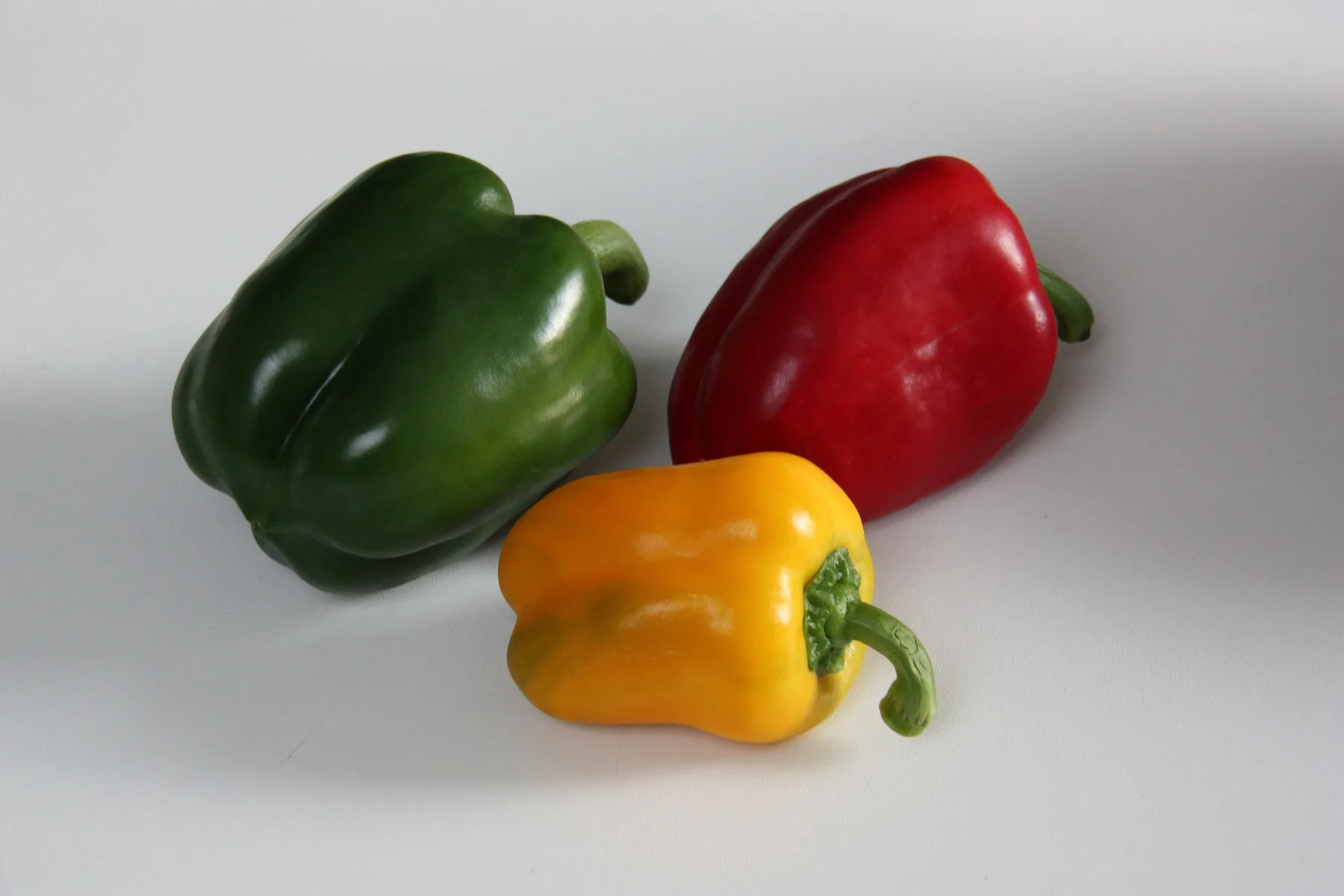
Peppers are slower and more patient than tomatoes. They need warmth, steady growth, and protection from cold starts.
When to plant
Peppers need a warm start. In a short season, begin with transplants rather than expecting a late direct sowing to catch up. Wait for warm nights and warmed soil, and compare the forecast with your planting date.
Make room for the crop
Give the plant room to develop and leave access to pick fruit without breaking branches. Keep the variety label: an early green harvest and a fully colored harvest can represent quite different uses of the same growing season.
Water
Inspect the root zone before responding to slow growth with more water. Track flowers, dropped flowers and enlarging fruit separately. As fruit develops, compare any damaged ends with your moisture record instead of assuming the soil needs another amendment.
Harvest
Choose the intended size or ripe color. Harvest reference: University of Minnesota Extension.
Use the maturity estimate to schedule a first inspection. Let the plant’s condition and the harvest you want decide the picking date.
Common problems
Record flowers, dropped flowers and developing fruit separately. Photograph damaged fruit ends and compare moisture records before adding an amendment.
Use the disease-condition checklist to decide what to inspect and which cultural conditions to improve. It does not identify a pathogen from these observations.
Field notes
Peppers often look inactive while roots establish. Resist the temptation to overwater or overfeed. Warmth and time are usually the missing ingredients.