Growing Onions
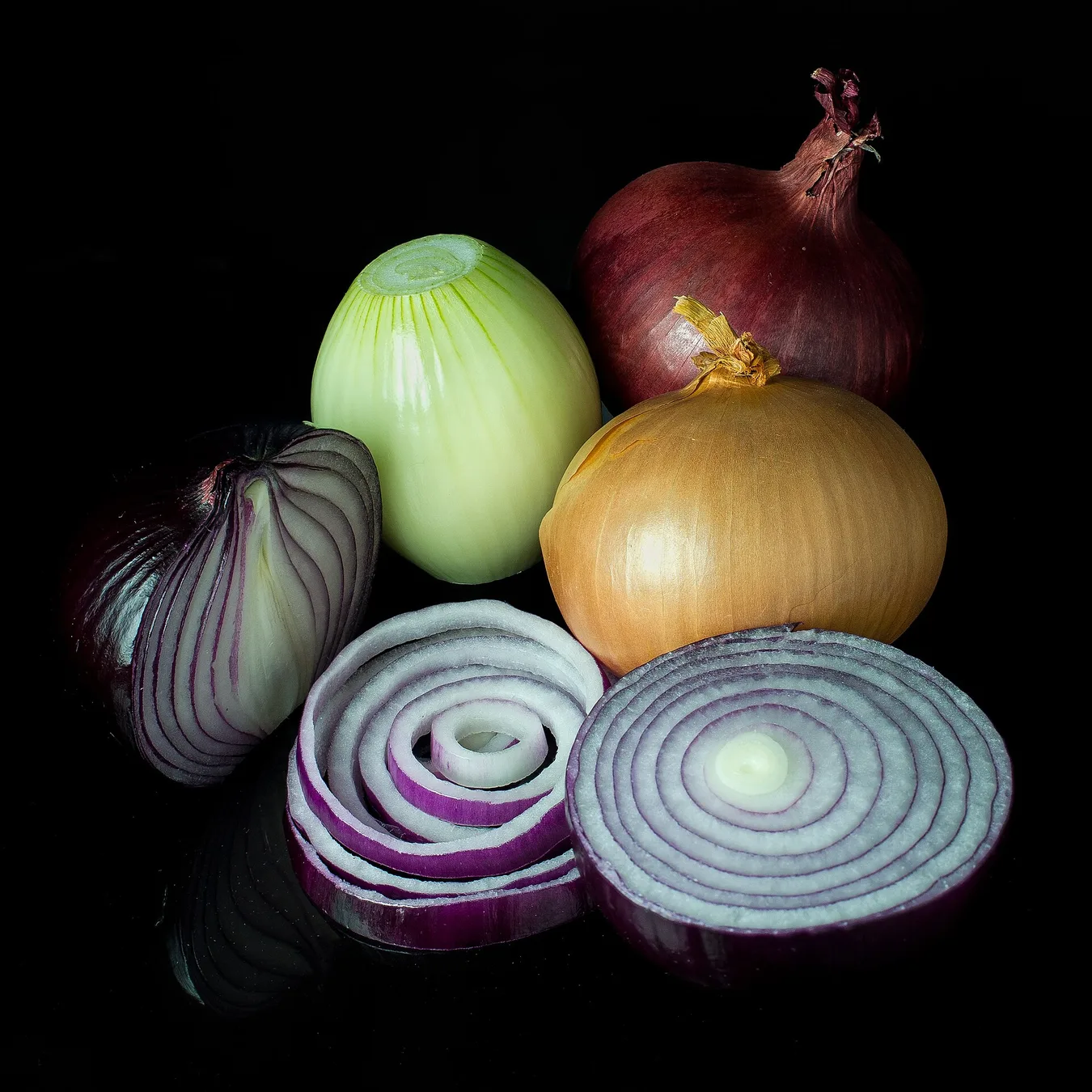
Onions are day-length sensitive and reward careful variety selection.
When to plant
Choose the starting material and intended harvest: seedlings, sets and scallions are not interchangeable plans. Set out seedlings or sets in early spring according to local conditions, keeping the variety name with the planting record.
Make room for the crop
Bulb onions need space to enlarge; scallions can be harvested before that stage. Mark the part of the bed intended for each use. Keep weeds from hiding the row, and avoid judging bulb progress only by the amount of leaf growth.
Water
Look along the row for differences in growth and moisture rather than judging one plant. Keep irrigation notes as bulbs size up and foliage changes. When tops fall, use the harvest guidance to decide whether this is a crop to eat soon or prepare for storage.
Harvest
Look for tight necks and dry outer scales. Harvest reference: University of Minnesota Extension.
Use the maturity estimate to schedule a first inspection. Let the plant’s condition and the harvest you want decide the picking date.
Common problems
Record whether plants made a large bulb or stayed thin, along with variety and planting date. Check soft or discolored bulbs separately before choosing what to store.
Use the disease-condition checklist to decide what to inspect and which cultural conditions to improve. It does not identify a pathogen from these observations.
Field notes
Because alliums are not tolerated by everyone, treat onions as optional rather than essential in garden planning. Many dishes can be built around herbs instead.